We take more photos now than any generation before us.
Vacations. Birthday dinners. Random Tuesday nights.
Sunsets. Dogs. Coffee cups. First days. Last days.
Our camera rolls are full.
But here’s something fascinating: research shows that when we’re the ones taking the photo, we may actually remember less about the moment.
It’s called the photo-taking impairment effect.
And when I first read about it, I had to sit with it for a minute. Because it explains something I’ve felt for years.
What Is the Photo-Taking Impairment Effect?
The photo-taking impairment effect is a psychological phenomenon where people sometimes remember less about an experience when they rely on a camera to document it.
In simple terms: When we take a photo, our brain can assume, “The camera is storing this for me.” So we don’t encode the experience as deeply as we would if we were simply observing it.
We outsource the memory.
That doesn’t mean taking photos is bad. It just means the way we engage with moments matters.
Does Taking Photos Reduce Memory?
Research suggests it can — especially when we’re focused more on capturing the image than experiencing what’s happening.
If you’ve ever taken dozens of pictures at an event and later realized you barely remember parts of it, that’s the photo-taking effect at work.
You were documenting.
But maybe not fully participating.
And that’s something worth paying attention to.
Because most of life isn’t made up of milestones.
It’s made up of ordinary moments:
The way someone laughs.
The way your child grabs your hand without thinking.
The way your partner looks at you across the kitchen.
The way your dog insists on being wherever you are.
If you’re always behind the camera, managing the angle, adjusting the light, trying to “get the shot”…
Are you fully inside the moment?
Or are you slightly outside of it?
How Can We Stay Present While Still Capturing Moments?
This is the part I love.
The goal isn’t to stop taking photos.
It’s to be intentional.
Research on the photo-taking effect also suggests that when we’re mindful — when we zoom in thoughtfully, engage closely, and stay connected to what’s happening — we can actually strengthen memory instead of weakening it.
Presence matters.
And sometimes, the most powerful thing you can do is put the phone down. Or hand the camera to someone else.
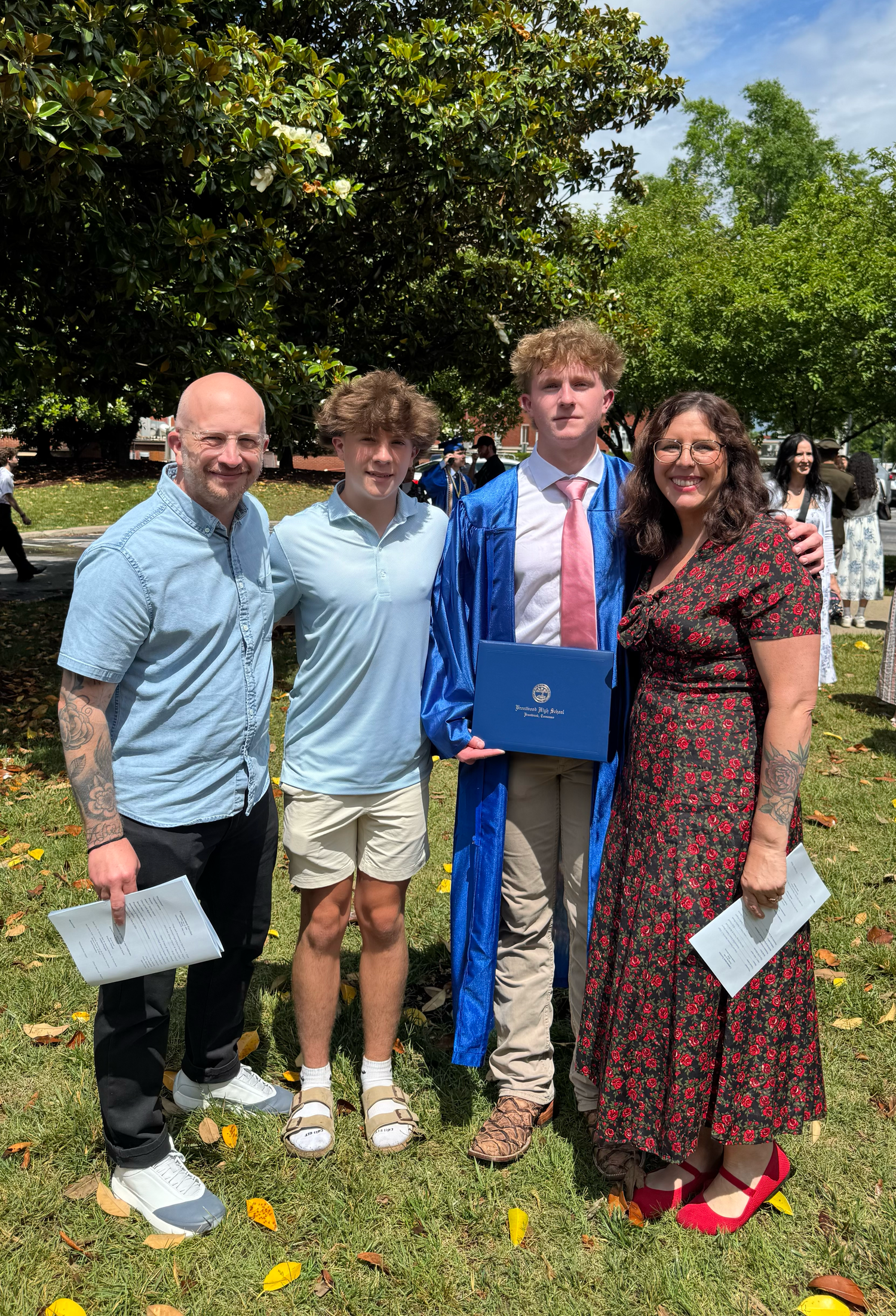
Or step into the frame instead of always staying behind it.
When you’re not responsible for documenting the moment, you’re free to experience it.
To feel it.
To remember it.
As someone who has watched seasons change faster than I expected, I can tell you this:
You don’t usually miss the big events.
You miss the ordinary days.
The unremarkable ones.
The loud ones.
The messy ones.
The ones you thought would last longer.
So yes — take the photos.
But don’t outsource all of your remembering to your phone.
Be present.
Be in the moment.
Be in the frame.
Because the goal isn’t just documentation.
It’s connection.
Want to Read More About the Research?
If you’re curious about the science behind the photo-taking impairment effect, you can read more about the research here:
https://tinyurl.com/2mvew6eh
It’s a fascinating reminder that memory isn’t just about what we record — it’s about how deeply we live it while it’s happening.